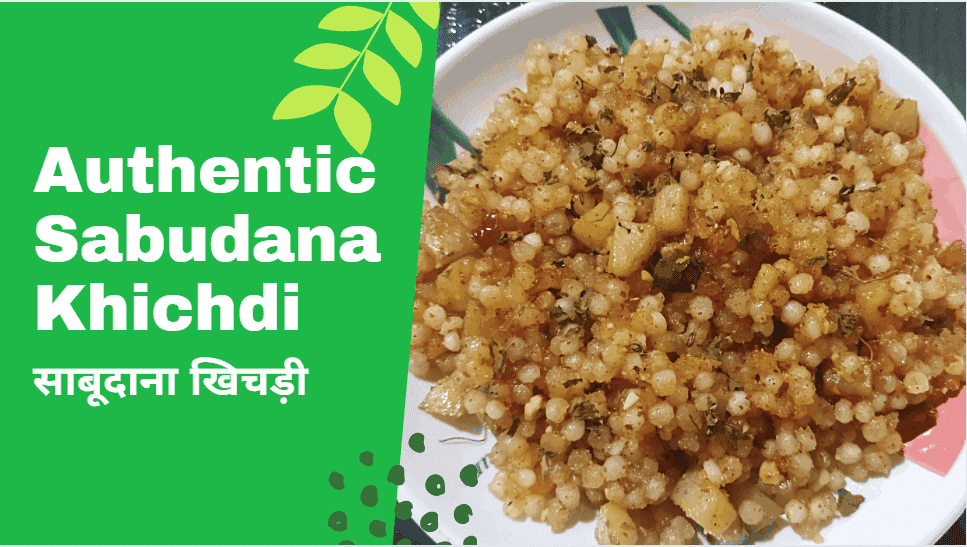
Sabudana Khichdi is a classic Indian comfort dish, especially loved during fasting days like Navratri, Ekadashi, and Maha Shivratri. Light on the stomach yet filling, this traditional recipe is made with soaked sabudana, potatoes, peanuts, and simple spices, creating a dish that is both nutritious and flavorful.
This perfect sabudana khichdi recipe for fast is easy to follow and gives you soft, fluffy, and non-sticky pearls every time. Whether you’re preparing it for vrat (fasting) or as a quick breakfast or snack, this gluten-free and vegan dish is a favourite across Indian households.
Follow this step-by-step guide to learn how to make delicious sabudana khichdi at home with simple ingredients and foolproof tips. 🌿🍽️
Ingredients for Sabudana Khichdi
- 1/2 cup sabudana (sago/tapioca pearls), soaked in 1/2 cup water for 1 hour
- 1 potato, finely chopped
- 3 green chillies, finely chopped
- 1/2 teaspoon cumin seeds
- 1/2 teaspoon cumin powder
- 1/2 teaspoon salt (adjust to taste)
- 1/2 teaspoon chilli powder
- 1/2 teaspoon sugar
- 1/2 cup roasted peanuts, coarsely ground
- 1/2 teaspoon oil
Step-by-Step Instructions
- Heat the Oil
- Warm 1/2 teaspoon of oil in a non-stick pan over medium heat.
- Sauté Cumin and Chillies
- Add cumin seeds and green chillies to the hot oil. Stir and cook until aromatic.
- Cook Potatoes
- Add chopped potatoes along with a pinch of salt. Sauté until the potatoes are soft and cooked through.
- Season the Mixture
- Sprinkle chilli powder, cumin powder, and sugar. Mix well to evenly coat the potatoes with the spices.
- Add Soaked Sabudana
- Gently add the soaked sabudana. Sprinkle more salt if needed. Stir well to ensure the sabudana is evenly mixed with the spices and potatoes.
- Incorporate Roasted Peanuts
- Mix in the roasted and ground peanuts, which add a delightful crunch and nutty flavour.
- Cook Until Translucent
- Cover the pan and cook on low heat, stirring occasionally, until the sabudana turns translucent and is fully cooked.
- Serve and Enjoy
- Transfer to a serving plate, garnish with fresh coriander and a squeeze of lemon juice (optional), and enjoy your hot, flavorful sabudana khichdi!
Tips for a Perfect Sabudana Khichdi Recipe for fast
- Ensure the sabudana is soaked well and drains off any excess water to prevent stickiness.
- Use roasted peanuts for a crunchy texture and enhanced flavour.
- Cook on low heat for even cooking and avoid over-stirring to keep the pearls intact.
Why You’ll Love This Recipe of Sabudana Khichdi
- Gluten-free and vegan
- Perfect for fasting days or light meals
- Quick, easy, and packed with nutrients
Share this Recipe of Sabudana Khichdi with your friends and family, and let us know how it turned out!
Common Mistakes to Avoid While Making Sabudana Khichdi
❌ Using Wet Sabudana
If sabudana is not properly drained after soaking, excess moisture can make the khichdi sticky and mushy. Always drain off extra water before cooking.
❌ Cooking on High Flame 🔥
Sabudana needs slow and gentle cooking. High heat can cause the pearls to stick together or burn. Always cook on low flame for even cooking.
❌ Skipping Peanuts 🥜
Roasted peanuts are essential for texture and flavour. Skipping them can make the sabudana khichdi bland and less nutritious.
❌ Adding Lemon Too Early 🍋
Adding lemon juice while cooking can prevent sabudana from cooking properly. Always add lemon juice after switching off the heat for the best results.
If you love this Sabudana Khichdi, you’ll also enjoy our creamy Sabudana Kheer recipe — a perfect sweet treat for fasting days!
Watch Sabudana Khichdi Recipe
Frequently Asked Questions on Sabudana Khichdi Recipe
What is Sabudana Khichdi, and how is it prepared?
Sabudana Khichdi is a popular Indian dish made from soaked sago pearls (sabudana), potatoes, peanuts, and spices. Follow our easy recipe for step-by-step instructions.
How long should Sabudana be soaked before making Khichdi?
Soak Sabudana in water for at least 1 hour to ensure it softens properly. The water quantity should be half the amount of Sabudana used.
What are the essential ingredients needed to make Sabudana Khichdi?
You will need sabudana (sago), potatoes, green chillies, cumin seeds, spices like chili powder and cumin powder, salt, sugar, roasted peanuts, and a bit of oil.
Can Sabudana Khichdi be customized to suit different tastes?
Yes, you can adjust the spice levels and ingredients according to your preference. Experiment with different proportions of spices for a personalized flavor.
How do I ensure the Sabudana pearls don’t stick together while cooking?
Stir the Sabudana Khichdi mixture regularly while cooking on low heat and ensure it is covered to maintain steam. This prevents the pearls from sticking together.
Is Sabudana Khichdi suitable for a gluten-free diet?
Yes, Sabudana Khichdi is naturally gluten-free, making it a suitable choice for those with gluten intolerance or celiac disease.
What are the best tips for achieving an irresistibly perfect texture in Sabudana Khichdi?
Achieve the perfect texture by soaking Sabudana adequately, using the right amount of water, and cooking on low heat until the pearls turn translucent.
Can Sabudana Khichdi be served as a breakfast dish?
Yes, Sabudana Khichdi is a nutritious and filling breakfast option. It can also be enjoyed as a snack or light meal throughout the day.
How can I make Sabudana Khichdi more nutritious?
Add vegetables like peas or carrots to enhance the nutritional value. You can also garnish with fresh coriander leaves and serve with yogurt for added taste.
Where can I find more Sabudana Khichdi recipes and variations?
Explore our blog for more Sabudana Khichdi recipes and variations, including tips on ingredient substitutions and cooking techniques for different tastes.