

Table of Content
What Is Rava Idli?
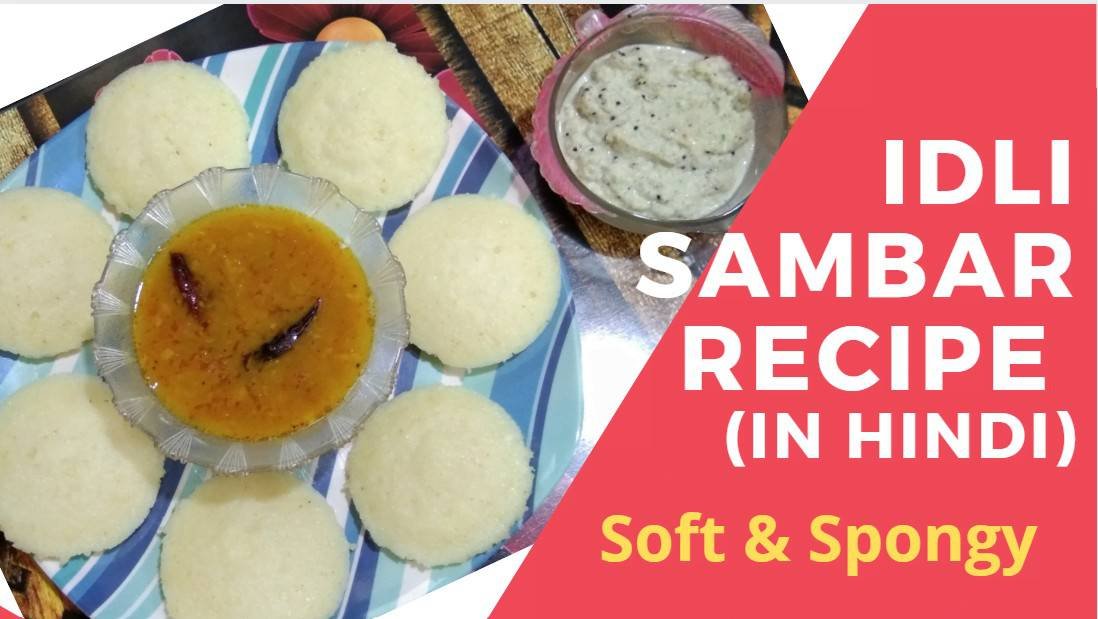
Rava Idli is a soft, fluffy South Indian steamed snack made using rava (semolina) instead of rice and urad dal. Unlike traditional idli and sambar, which requires soaking and fermentation, rava idli is an instant recipe that can be prepared quickly using simple ingredients like semolina, curd, and mild leavening agents.
The origin of rava idli dates back to Karnataka, where it became popular during times when rice was scarce. Over time, it evolved into a beloved breakfast and tiffin dish across South India. Today, rava idli and sambar is enjoyed as a comforting and nutritious meal due to its easy preparation, light texture, and delicious taste.
Rava idli is especially popular among busy households because it does not need overnight fermentation and still delivers soft, spongy idlis. Served hot with sambar, coconut chutney, or tomato chutney, rava idli and sambar makes a wholesome and satisfying meal suitable for breakfast, lunch, or evening snacks.
What Makes a Perfect South Indian Sambar?
A perfect South Indian sambar is all about achieving the right balance of flavors—tangy, sweet, spicy, and savory—working together in harmony. This perfect balance is what makes sambar an ideal companion for rava idli, especially when served as part of an instant rava idli and sambar recipe. No single taste should overpower the others; instead, each spoonful should feel rich, comforting, and full of depth.
The tangy flavor comes from tamarind, which gives sambar its signature taste and mild sourness. The sweetness, usually added through jaggery, helps balance the acidity of tamarind and enhances the overall flavor. The spiciness is introduced through dried red chilies, green chilies, and sambar masala, providing warmth rather than overwhelming heat—perfectly complementing soft and fluffy and flavourful instant rava idli and sambar.
Equally important is the base of well-cooked tuvar dal, which gives sambar its thick, creamy texture. Fresh vegetables add natural sweetness and nutrition, while a properly done tempering of mustard seeds, curry leaves, and spices elevates the aroma and taste, making it a flavorful match for any rava idli recipe.
When these elements come together in the right proportion, the result is a comforting, flavorful sambar that pairs beautifully with instant rava idli, dosa, vada, or rice—making it a timeless favorite in South Indian cuisine.
Ingredients for Idli Recipe
- 2 bowls Rava / Suji (Semolina)
- 1/2 bowl Sweet Curd
- 1/2 teaspoon Salt
- 1/2 teaspoon Baking Soda
Ingredients for Sambar Recipe
- 1 bowl Tuvar Dal (Pigeon Pea Lentils)
- 2 Onions (finely chopped)
- 1/2 bowl Bottle Gourd (chopped)
- Additional vegetables as required (Brinjal, Pumpkin, Drumsticks, etc.)
- 3-4 Dried Red Chilies
- 2 tablespoons Ginger-Garlic Paste
- 2 tablespoons Sambar Masala
- A small portion of Tamarind
- A little Jaggery
Steps to Make Rava Idli and Sambar
Preparing the Idli Batter
- Take Rava in a large bowl, add curd, 1 bowl of water, and salt.
- Mix everything thoroughly and let the batter rest for 30 minutes.
Making the Sambar
- In a small pot, mix tamarind and jaggery with some water. Boil it until dissolved.
- Wash the dal and put it in a pressure cooker. Add bottle gourd, 1 cup water, turmeric, and salt. Cook until soft.
- Heat 3 tablespoons of oil in a pan. Add mustard seeds, red chilies, onions, and ginger-garlic paste. Sauté until golden.
- Add sambar masala and a little water to the mixture, then cook until the spices are fragrant.
- Mash the cooked dal, add 1 cup of water, and mix it with the cooked spices in the pan.
- Strain the tamarind-jaggery solution and add it to the sambar. Mix well and bring it to a boil.
Cooking the Idlis
- Add baking soda to the idli batter and mix gently.
- Grease the idli molds with oil and pour the batter into each mold.
- Heat water in an idli maker or pressure cooker, place the molds inside, cover, and steam for 5-7 minutes on low flame.
Serving Hot
Serve the freshly made idlis with steaming hot sambar and coconut or tomato chutney.
 How to Store Leftover Idli Batter
Storing leftover idli batter properly helps maintain the softness and taste of your idli and sambar meal even the next day. If you have extra batter after making idlis, transfer it to a clean, airtight container to prevent contamination and odor absorption.
Place the container in the refrigerator and use the batter within 24 to 48 hours for best results. Before using the stored batter, gently mix it once—do not over-stir, as this can affect the fluffiness of the idlis. If the batter has thickened slightly, add a small amount of water to adjust the consistency.
Avoid adding baking soda before storing the batter. Always mix the soda only just before steaming the idlis to ensure they turn out soft and spongy, perfectly complementing your freshly prepared idli and sambar.
Proper storage not only reduces food waste but also lets you enjoy a quick and delicious idli and sambar breakfast anytime.
Tips for Perfect Rava Idli and Sambar
Follow these simple tips to make soft, fluffy idlis with the perfect texture and taste every time.
-
Use fine rava for soft rava idli.
-
Rest the batter for 20–30 minutes for a good instant rava idli recipe.
-
Add baking soda just before steaming.
-
Mix the batter gently to keep instant rava idli fluffy.
-
Steam on low to medium heat for best results.
-
Balance tangy, sweet, and spicy flavors in sambar for tasty idli and sambar.
-
Serve rava idli and sambar hot with fresh chutney.
10 FAQs About Rava Idli and Sambar Recipe
-
What is Rava Idli made of?
Rava Idli is made from semolina (rava or suji), curd, salt, and a leavening agent like baking soda to make it soft and fluffy.
-
Can I make Rava Idli without curd?
Yes, you can substitute curd with buttermilk or vegan yogurt alternatives like coconut yogurt for a similar texture.
-
What vegetables can I add to Sambar?
Common vegetables include bottle gourd, drumsticks, carrots, brinjal (eggplant), pumpkin, and tomatoes. Feel free to customize based on availability.
-
How to ensure Idlis are soft and spongy?
Rest the batter for at least 20-30 minutes to allow the rava to absorb moisture. Adding baking soda or Eno right before steaming also helps achieve softness.
-
Is Sambar healthy?
Yes, Sambar is a nutritious dish packed with protein from lentils and vitamins from vegetables, making it a healthy choice for any meal.
-
What can I serve with Rava Idli and Sambar?
Rava Idli and Sambar are often served with coconut chutney, tomato chutney, or even spicy peanut chutney for added flavor.
-
Can I prepare the Sambar in advance?
Yes, Sambar can be prepared a day in advance and stored in the refrigerator. Reheat it before serving, and it often tastes better as flavors develop over time.
-
What is the difference between Rava Idli and Rice Idli?
Rava Idli is made with semolina and does not require fermentation, while Rice Idli is made from fermented rice and urad dal batter.
-
Can I make Rava Idli without an Idli steamer?
Yes, you can use a regular pressure cooker without a whistle or a deep pan with a tight lid to steam the idlis.
-
How do I store leftover Idlis and Sambar?
Store Idlis in an airtight container in the refrigerator for up to 2 days. Reheat them by steaming for a few minutes. Sambar can be stored in the fridge for 2-3 days and reheated as needed.


