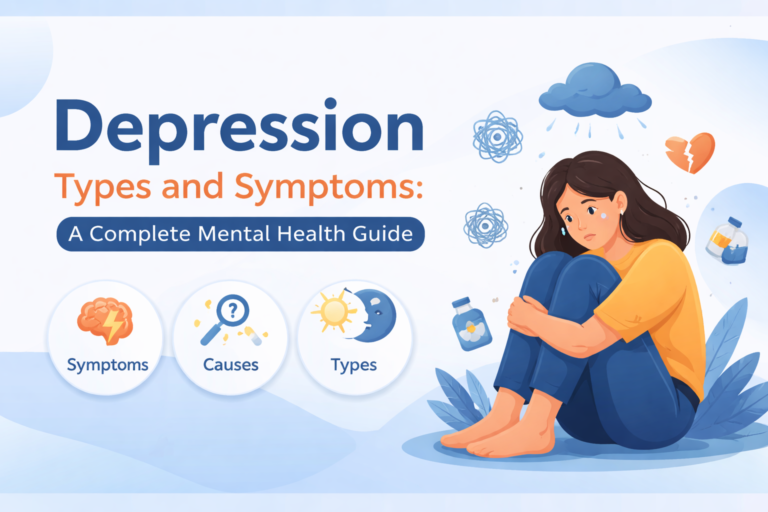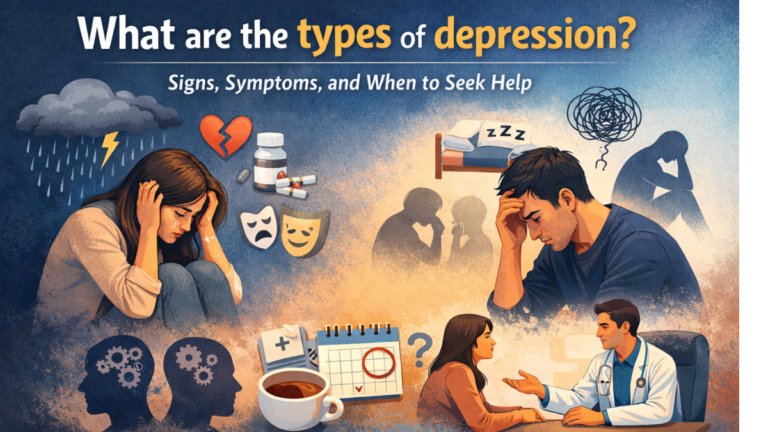
Depression is a complex mental health condition that affects millions of people worldwide. There are various types of depression, including major depression, bipolar disorder, and seasonal affective disorder, each with unique characteristics. Recognizing the symptoms of depression—such as sadness, fatigue, and loss of interest, is essential for early intervention. Multiple depression causes, including genetics, brain chemistry, and life events, contribute to the condition.
We all experience emotional ups and downs. A bad day at work, relationship stress, or life uncertainty can leave us feeling low. But what happens when that feeling doesn’t go away? When sadness becomes persistent, overwhelming, and begins to affect your daily life, it may be more than just a phase—it could be depression.
Understanding depression types is essential because not all depression looks the same. Some people feel constant sadness, while others may experience irritability, fatigue, or even physical pain. Recognizing the symptoms of depression early can help individuals seek the right support and improve their quality of life.
What is Depression?
Depression is a common but serious mental health condition that affects how you feel, think, and act. It goes beyond temporary sadness and can interfere with daily functioning, relationships, and overall well-being.
There are various depression causes, including biological, psychological, and environmental factors. Understanding these causes can help in both prevention and treatment.
Why Understanding Types of Depression Matters
Not all depression looks the same. Different people experience it differently, which is why learning about the various types of depression is crucial.
Some forms are mild and short-term, while others can be severe and long-lasting. Knowing the difference can help you identify what you or someone else might be going through.
1. Major Depressive Disorder (MDD)
This is one of the most common and severe types of depression.
Key Signs:
- Persistent sadness
- Loss of interest in activities
- Low energy
- Difficulty concentrating
The symptoms of depression in MDD can interfere with daily life, work, and relationships. Without proper treatment, it can become overwhelming.
Possible Depression Causes:
- Chemical imbalance in the brain
- Genetic factors
- Stressful life events
2. Persistent Depressive Disorder (Dysthymia)
This is a long-term form of depression that lasts for at least two years.
Unlike major depression, the symptoms may not be as intense, but they are ongoing. People often think this is just their personality, which makes it harder to identify.
Understanding such types of depression helps in recognizing that even mild but chronic sadness needs attention.
3. Bipolar Disorder
Bipolar disorder involves extreme mood swings, from emotional highs (mania) to deep lows (depression).
During depressive episodes, individuals experience classic symptoms of depression such as:
- Hopelessness
- Fatigue
- Loss of interest
Depression Causes in Bipolar Disorder:
- Brain chemistry imbalance
- Genetic predisposition
4. Seasonal Affective Disorder (SAD)
Have you ever felt unusually low during winters?
That could be SAD, one of the environment-related types of depression. It typically occurs during seasons with less sunlight.
Symptoms Include:
- Low energy
- Oversleeping
- Social withdrawal
Recognizing these symptoms of depression early can help manage seasonal mood changes effectively.
5. Postpartum Depression
This affects women after childbirth and is often misunderstood.
It goes beyond “baby blues” and includes severe emotional changes.
Common Symptoms:
- Extreme sadness
- Anxiety
- Difficulty bonding with the baby
Depression Causes:
- Hormonal changes
- Emotional stress
- Sleep deprivation
This is one of the most sensitive types of depression and requires immediate attention.
6. Psychotic Depression
This is a severe form where depression is accompanied by psychosis (delusions or hallucinations).
People may lose touch with reality, making it a dangerous condition if untreated.
The symptoms of depression here are intense and often include:
- Paranoia
- False beliefs
- Extreme hopelessness
7. Atypical Depression
This type doesn’t follow the usual pattern of depression.
People may temporarily feel better in positive situations, which makes it harder to detect.
Signs:
- Increased appetite
- Sleeping too much
- Sensitivity to rejection
Understanding different types of depression like this helps avoid misdiagnosis.
8. Situational Depression
Also known as adjustment disorder, this occurs after a major life event.
Examples:
- Job loss
- Divorce
- Loss of a loved one
These depression causes are external but can deeply impact emotional health.
9. Premenstrual Dysphoric Disorder (PMDD)
A severe form of premenstrual syndrome (PMS), PMDD affects mood significantly.
Symptoms:
- Irritability
- Mood swings
- Anxiety
These symptoms of depression usually occur before menstruation and fade afterward.
10. Depression in Children and Teens
Depression isn’t limited to adults. Children and teenagers can also experience it.
Signs:
- Irritability
- Withdrawal
- Academic decline
Recognizing early types of depression in younger individuals is crucial for their long-term well-being.
Common Symptoms of Depression
Before diving into different types, let’s understand the general symptoms of depression:
- Persistent sadness or low mood
- Loss of interest in activities
- Fatigue or low energy
- Sleep disturbances (insomnia or oversleeping)
- Changes in appetite
- Difficulty concentrating
- Feelings of guilt or worthlessness
- Thoughts of death or suicide
These symptoms of depression can vary in intensity and duration depending on the individual and the type of depression.e.
What Causes Depression?
There isn’t a single cause, multiple depression causes contribute to the condition.
1. Biological Factors
Brain chemistry and hormonal imbalances can trigger depression.
2. Genetics
A family history of depression increases the risk.
3. Life Events
Trauma, loss, or stress are common depression causes.
4. Lifestyle Factors
Poor diet, lack of exercise, and substance abuse can worsen mental health.
5. Psychological Factors
Negative thinking patterns and low self-esteem also play a role.
Understanding these depression causes helps in prevention and treatment.
When to Seek Help
One of the biggest mistakes people make is ignoring the early signs.
You should seek help if:
- The symptoms of depression last more than two weeks
- Daily functioning becomes difficult
- You feel hopeless or empty most of the time
- You have thoughts of self-harm
Getting help early can prevent the condition from worsening.
How Depression is Treated
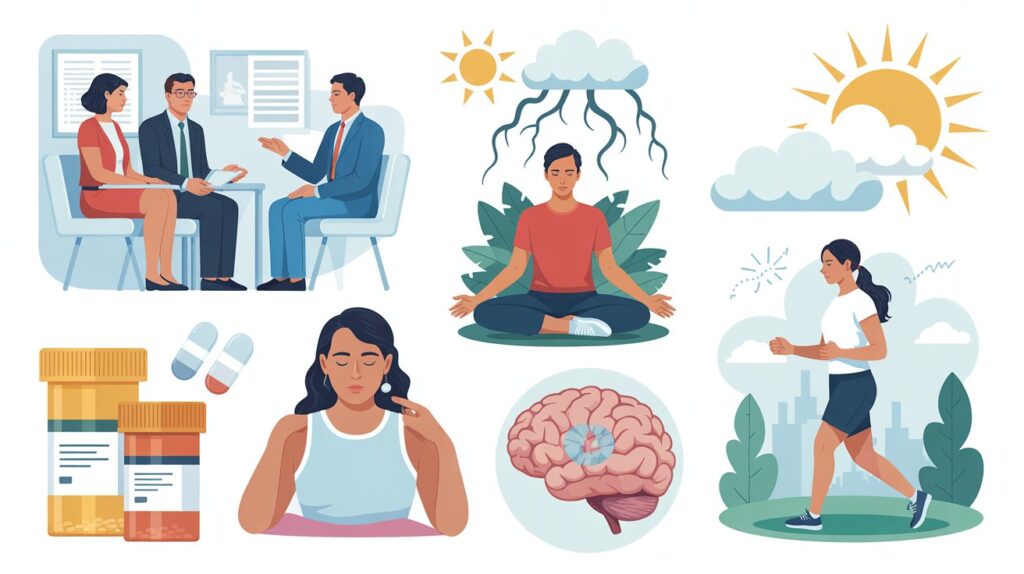
The good news? Depression is treatable.
1. Therapy
Talking to a mental health professional can help you understand your thoughts and emotions.
2. Medication
Antidepressants may be prescribed in some cases.
3. Lifestyle Changes
- Regular exercise
- Healthy diet
- Better sleep habits
4. Support System
Friends and family play a crucial role in recovery.
Breaking the Stigma Around Depression
Despite growing awareness, many people still hesitate to talk about depression.
Understanding the different types of depression helps normalize conversations around mental health.
Depression is not a weakness, it’s a medical condition that deserves attention and care.
Final Thoughts: You’re Not Alone
Depression can feel isolating, but you’re not alone in this journey. The first step is awareness. The next step is seeking help.ls to take control of their mental health.
Whether you’re dealing with mild sadness or severe emotional distress, recognizing the symptoms of depression and understanding the depression causes can empower you to take action.
Frequently Asked Questions
-
What are the different types of depression?
There are several types of depression, including major depressive disorder, persistent depressive disorder, bipolar disorder, seasonal affective disorder, postpartum depression, and more.
-
What are the most common symptoms of depression?
The most common symptoms of depression include persistent sadness, loss of interest in activities, fatigue, sleep disturbances, changes in appetite, and difficulty concentrating.
-
What are the main depression causes?
Some of the most common depression causes include genetic factors, brain chemistry imbalance, stressful life events, trauma, and unhealthy lifestyle habits.
-
How do I know if I have depression or just sadness?
Temporary sadness usually goes away with time, but depression lasts longer and includes multiple symptoms of depression that affect daily life, such as low energy, hopelessness, and lack of motivation.
-
Can depression go away on its own?
Mild cases may improve over time, but most types of depression require proper treatment like therapy, lifestyle changes, or medication to fully recover.
-
When should I seek help for depression?
You should seek help if the symptoms of depression last more than two weeks, interfere with daily activities, or include thoughts of self-harm.
-
What causes depression in young people?
In children and teens, depression causes can include academic pressure, social challenges, family issues, and hormonal changes.
-
Is depression a serious mental illness?
Yes, depression is a serious condition. Different types of depression can significantly affect mental and physical health if not treated properly.
-
How is depression treated?
Treatment depends on the severity and types of depression, but commonly includes therapy, medication, lifestyle changes, and support from family or friends.
-
Can lifestyle changes help reduce depression symptoms?
Yes, healthy habits like regular exercise, proper sleep, and a balanced diet can help reduce symptoms of depression and improve overall mental well-being.