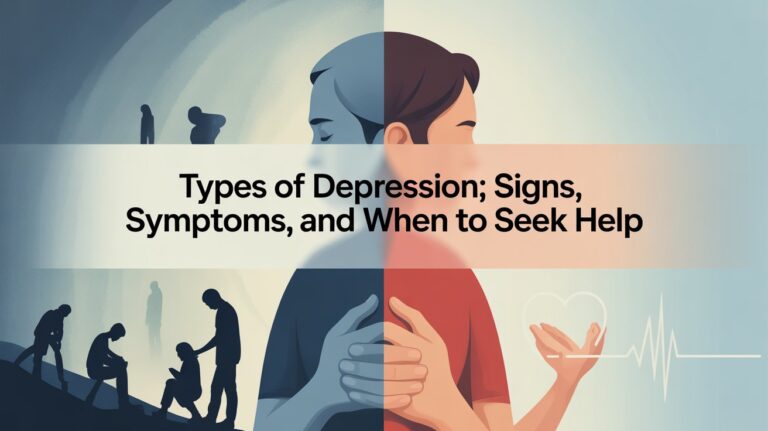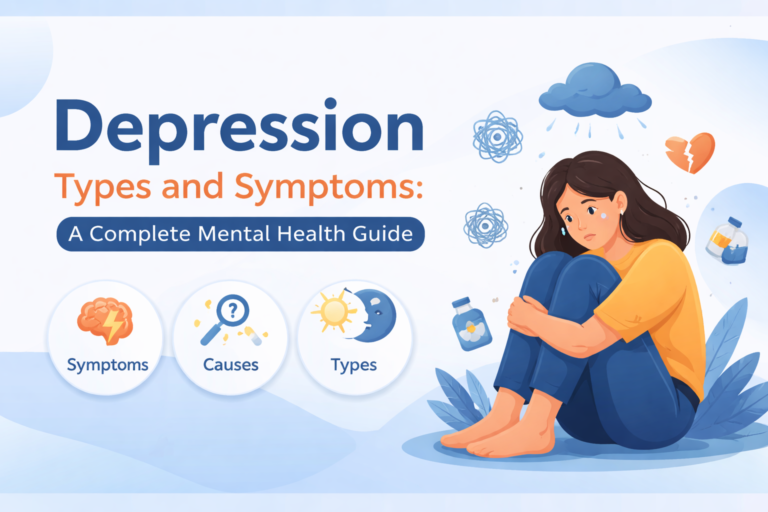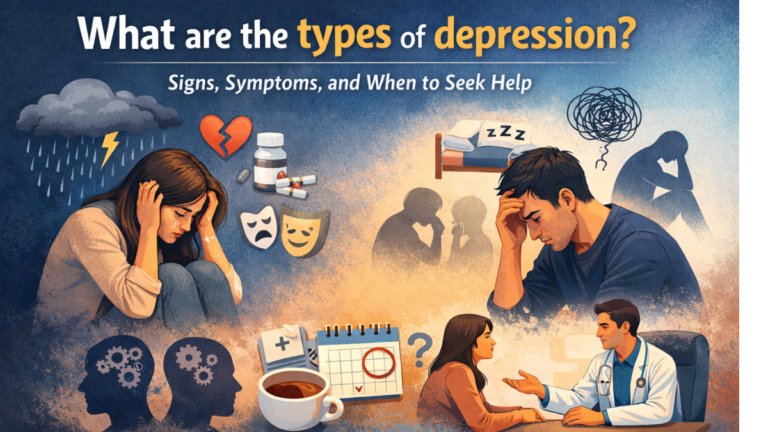
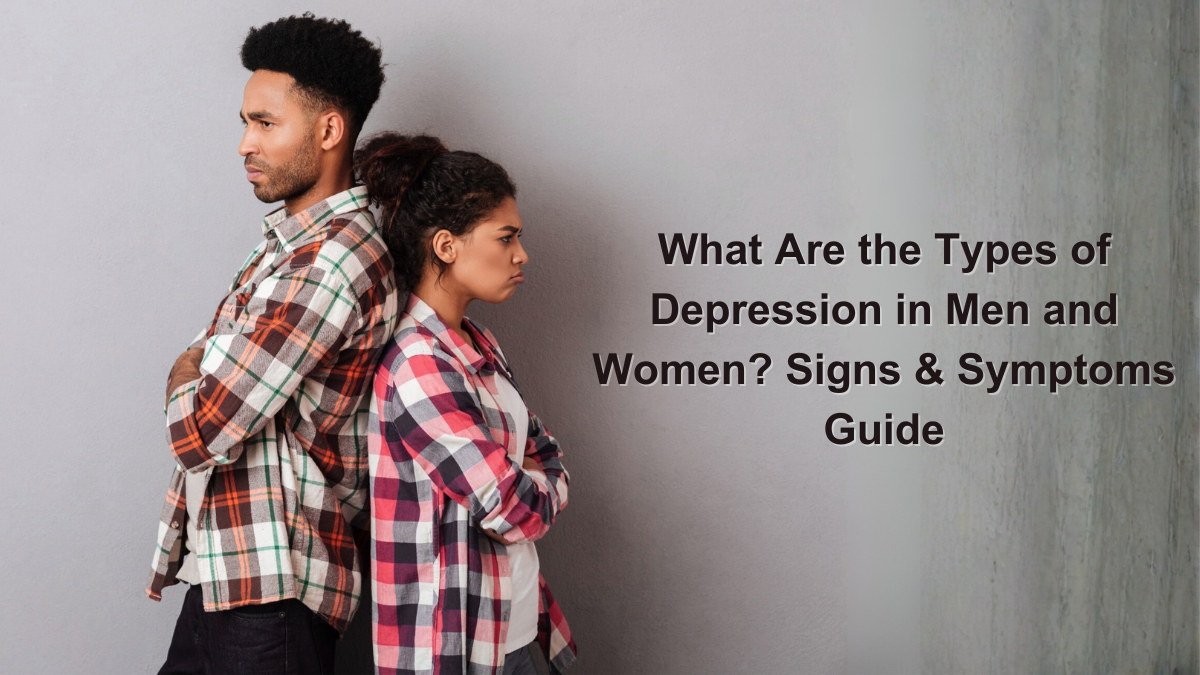
Depression is more than just feeling sad for a few days. It is a complex mental health condition that can quietly affect thoughts, emotions, physical health, relationships, and even professional life. Many people struggle silently because they do not recognize the early warning signs soon enough.
Understanding how depression presents differently in men and women is essential. While the core emotional pain may feel similar, the outward expressions often vary. Recognizing these differences can lead to earlier diagnosis, better support, and faster recovery.
Let’s explore the types of depression, how they manifest in men and women, and the warning signs you should never ignore.
What Is Depression?
Depression, clinically known as Major Depressive Disorder, is a mood disorder that impacts how a person feels, thinks, and handles daily activities. It can interfere with sleep, appetite, productivity, and even physical health. Depression in men may sometimes appear differently, often showing through irritability, anger, or physical complaints rather than visible sadness.
The symptoms of depression often include persistent sadness, loss of interest in previously enjoyable activities, fatigue, difficulty concentrating, and feelings of worthlessness. However, depression is not always obvious. In some people, it hides behind irritability, anger, or unexplained physical complaints.
Depression is treatable. But awareness is the first step.
Why Depression Looks Different in Men and Women
Biology, hormones, social expectations, and coping patterns all influence how depression appears in different genders. While both men and women can experience the same underlying condition, the expression may vary.
For example, depression in women is often associated with emotional symptoms like crying spells, guilt, and anxiety. Hormonal fluctuations during menstruation, pregnancy, postpartum, and menopause can also increase vulnerability.
On the other hand, depression in men may show up as irritability, risk-taking behavior, substance use, or anger rather than visible sadness. Cultural pressure to “stay strong” often prevents men from openly expressing emotional distress.
Common Symptoms of Depression
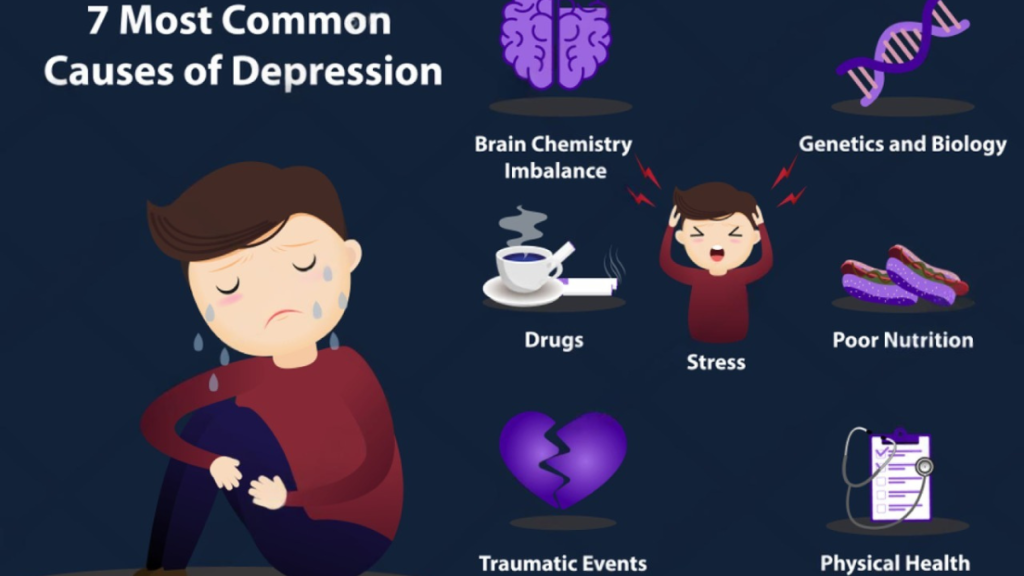
Before understanding gender differences, it’s important to identify the general symptoms of depression that apply to everyone.
Emotional Symptoms:
- Persistent sadness or emptiness
- Hopelessness or pessimism
- Irritability or frustration
- Loss of interest in hobbies
- Feelings of guilt or worthlessness
Cognitive Symptoms:
- Difficulty concentrating
- Indecisiveness
- Negative thinking patterns
- Thoughts of death or suicide
Physical Symptoms:
- Changes in appetite or weight
- Sleep disturbances (insomnia or oversleeping)
- Low energy or chronic fatigue
- Unexplained aches and pains
If these symptoms last for more than two weeks and interfere with daily life, professional support should be considered.
Types of Depression
Depression is not a one-size-fits-all condition. There are several types, each with distinct characteristics.
1. Major Depressive Disorder (MDD)
This is the most commonly diagnosed form. Individuals experience intense symptoms of depression for at least two weeks, often affecting work and relationships.
2. Persistent Depressive Disorder (Dysthymia)
A milder but long-lasting form that can continue for two years or more. People may function outwardly but feel chronically low inside.
3. Postpartum Depression
Affects new mothers after childbirth. Unlike “baby blues,” this condition can be severe and require medical intervention. It also highlights the importance of understanding depression in Men and Women, as symptoms and experiences can differ across genders and life stages.
4. Seasonal Affective Disorder (SAD)
Linked to seasonal changes, usually appearing in winter months due to reduced sunlight exposure.
5. Premenstrual Dysphoric Disorder (PMDD)
A severe form of PMS that significantly impacts mood and daily functioning, another example of how depression in women may be influenced by hormonal cycles.
6. Situational Depression
Triggered by major life events like divorce, job loss, or bereavement.
Depression in Women: Understanding the Unique Patterns
Research shows that women are diagnosed with depression nearly twice as often as men. This does not necessarily mean women are weaker emotionally; it reflects biological, psychological, and societal factors.
Hormonal Influence
Hormonal fluctuations play a significant role in depression in women. Puberty, pregnancy, postpartum changes, and menopause can all trigger mood instability.
Emotional Expression
Women are generally more likely to express sadness, tearfulness, and guilt. They may openly discuss emotional pain but also internalize stress deeply.
Anxiety Connection
Depression in women often coexists with anxiety disorders, making symptoms more intense and overwhelming.
Social Pressure
Balancing career, caregiving, family expectations, and societal roles can increase stress levels. Over time, chronic stress may intensify symptoms of depression.
Warning Signs in Women
- Increased crying
- Changes in sleep and appetite
- Loss of interest in social activities
- Feelings of worthlessness
- Extreme fatigue
Seeking help early can prevent long-term complications.
Depression in Men: The Hidden Struggle
Unlike women, men are less likely to be diagnosed with depression, but that doesn’t mean they suffer less. In fact, depression in men often goes unnoticed because it presents differently.
Anger Instead of Sadness
Rather than appearing tearful, men may show irritability, frustration, or aggression.
Risky Behavior
Some men cope by engaging in reckless driving, excessive work, gambling, or substance abuse.
Physical Complaints
Headaches, digestive issues, or unexplained pain can mask symptoms of depression in men.
Emotional Suppression
Societal expectations often discourage emotional vulnerability. As a result, depression in men may remain hidden until it becomes severe.
Warning Signs in Men
- Increased alcohol or drug use
- Anger outbursts
- Loss of interest in work or hobbies
- Withdrawal from family
- Thoughts of self-harm
Encouraging open conversations about mental health can help break this silence.
Comparing Depression in Women and Men
| Aspect | Depression in Women | Depression in Men |
| Emotional Expression | Sadness, crying | Anger, irritability |
| Coping Style | Internalizing | Externalizing |
| Help-Seeking | More likely | Less likely |
| Hormonal Impact | Significant | Limited |
| Substance Use | Less common | More common |
Understanding these differences helps families and healthcare providers recognize the early symptoms of depression more effectively.
When to Seek Professional Help

If the symptoms of depression interfere with daily life, last more than two weeks, or include thoughts of self-harm, immediate professional support is necessary.
Mental health professionals may recommend:
- Psychotherapy (such as Cognitive Behavioral Therapy)
- Medication
- Lifestyle changes
- Stress management techniques
- Support groups
Early intervention improves recovery outcomes significantly.
Breaking the Stigma Around Depression
Stigma remains one of the biggest barriers to treatment. Many individuals hesitate to seek help due to fear of judgment.
For women, societal pressure to “manage everything” can make them hide emotional pain. For men, the expectation to remain “strong” can suppress vulnerability.
Open conversations about depression in women and depression in men are essential to normalize mental health discussions.
Lifestyle Changes That Support Recovery
While professional treatment is crucial, lifestyle habits also influence healing.
1. Regular Exercise
Boosts mood by releasing endorphins.
2. Balanced Nutrition
Supports brain health and energy levels.
3. Quality Sleep
Rest regulates emotional balance.
4. Mindfulness Practices
Meditation reduces stress and negative thinking.
5. Social Connection
Healthy relationships reduce isolation.
These steps can ease symptoms of depression alongside therapy.
Supporting a Loved One with Depression
If someone you care about shows signs of distress:
- Listen without judgment
- Encourage professional help
- Avoid minimizing their feelings
- Offer practical support
- Stay patient
Understanding how depression in women and depression in men manifests differently allows you to respond with empathy rather than confusion.
Final Thoughts
Depression is real. It is not weakness. It is not laziness. And it is not something a person can “snap out of.”
The symptoms of depression may appear quietly at first, but early awareness can prevent severe consequences. Whether it is depression in women influenced by hormonal changes or depression in men hidden behind anger, every form deserves attention and compassion.
If you or someone you know is struggling, seeking help is a sign of strength, not failure.
Frequently Asked Questions
-
What are the main types of depression in men and women?
The most common types include Major Depressive Disorder, Persistent Depressive Disorder (Dysthymia), Postpartum Depression, Seasonal Affective Disorder (SAD), Premenstrual Dysphoric Disorder (PMDD), and Situational Depression. While the core condition is similar, symptoms may appear differently in men and women.
-
How do depression symptoms differ in men and women?
Women often show sadness, crying, guilt, and anxiety. Men may display irritability, anger, substance use, or risky behavior instead of visible sadness. Social and hormonal factors influence these differences.
-
What are the early warning signs of depression?
Early signs include persistent sadness, fatigue, sleep disturbances, loss of interest in activities, mood swings, difficulty concentrating, and withdrawal from loved ones.
-
Why is depression often underdiagnosed in men?
Many men suppress emotional expression due to societal expectations. Instead of reporting sadness, they may show anger, aggression, or substance misuse, which can mask underlying depression.
-
When should someone seek professional help?
If symptoms last more than two weeks, interfere with daily life, or include thoughts of self-harm or suicide, professional support from a mental health expert should be sought immediately.
-
Can lifestyle changes help manage depression?
Yes. Regular exercise, balanced nutrition, quality sleep, mindfulness practices, and social support can help reduce symptoms alongside therapy or medication.
-
Is depression treatable?
Yes. Depression is highly treatable with psychotherapy, medication, lifestyle adjustments, and early intervention. Seeking help early improves recovery outcomes.
-
Can hormonal changes increase the risk of depression in women?
Yes. Hormonal fluctuations during puberty, pregnancy, postpartum, menstruation, and menopause can increase vulnerability to mood disorders and intensify depressive symptoms.
-
Can depression cause physical symptoms?
Absolutely. Depression can lead to headaches, digestive issues, chronic fatigue, body aches, sleep disturbances, and appetite changes, even when no clear physical cause is found.
-
How can family members support someone with depression?
Family members can offer non-judgmental listening, encourage professional help, provide emotional reassurance, assist with daily tasks, and remain patient during recovery.