Indian Vegetarian Meal Prep: A Weekly System That Survives a Busy Week
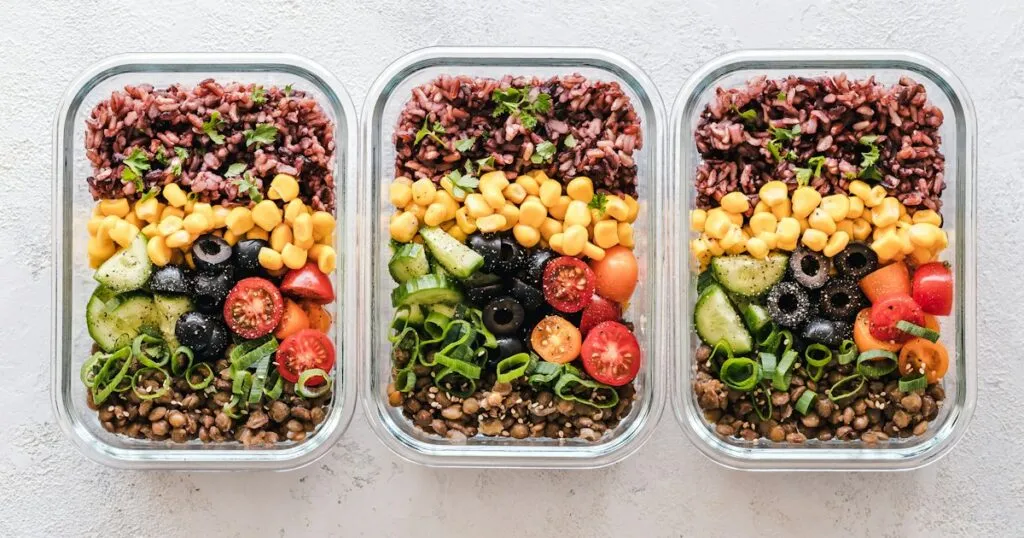
Indian meal prep works when you prepare components rather than finished meals, because Indian food is assembled from parts — a dal, a sabzi, a bread, a rice, something sour — and most of those parts reheat badly after three days while the components keep well. Copying a Western meal-prep system of five identical boxed lunches fails here, which is why so many people try it, find the food unappetising by Wednesday, and conclude meal prep does not suit Indian cooking.
It suits it well, with a different structure. Prep the things that take time and keep — soaked and boiled pulses, a masala base, chopped vegetables, dough, chutney — and the daily cooking shrinks to twenty minutes of assembly that still tastes freshly made.
What should you prep, and what should you not?
The sorting principle is simple: prep what takes long and keeps well; cook fresh what takes minutes or degrades fast. Getting this split right is most of the system.
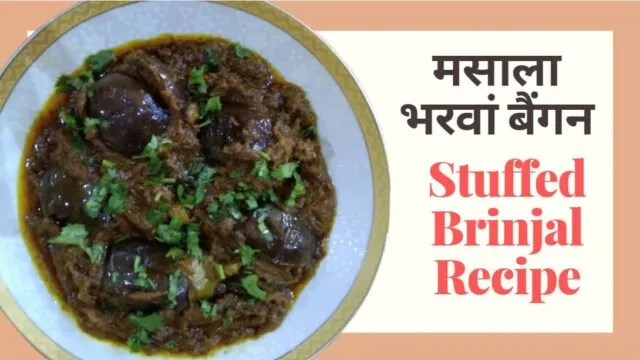
The masala base is the single highest-value item on the left. A large batch of onions, tomatoes, ginger and garlic cooked down until the fat separates, portioned and frozen, turns most sabzis and curries into a ten-minute job — because that slow cooking is where the time goes. It is the same base our dal and tadka guide describes building each time.
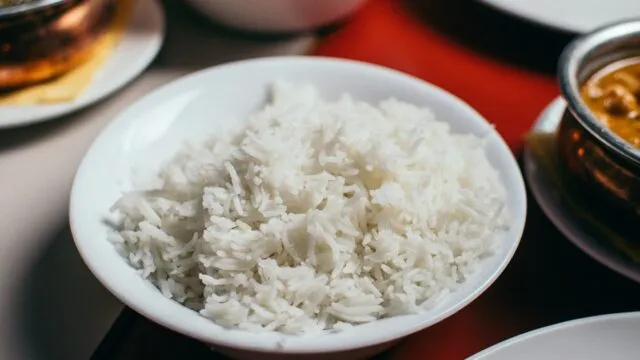
On the right-hand side, rice deserves explanation. It is on the “cook fresh” list not because it keeps badly but because it takes fifteen minutes unattended, so prepping it saves little while adding a food safety consideration. Cooking it daily is simply easier.
What does a Sunday session look like?
Around ninety minutes, most of it unattended. The order matters because it lets the slow things run while you do the quick ones.
- Start the pulses. They should already have soaked overnight. Put rajma or chana in the pressure cooker first, since this is the longest step and needs no attention.
- Make the masala base while they cook. A large batch of onions cooked to golden, then ginger-garlic, then tomatoes, until the fat separates. This is the only step needing real attention.
- Chop hardy vegetables. Carrots, beans, capsicum, cabbage, cauliflower. Store in separate boxes, dry, lined with a paper towel.
- Make one chutney. Coriander-mint or coconut, which lifts simple meals all week for ten minutes of work.
- Knead dough for two days of rotis, which refrigerates well.
- Portion and cool everything, then label with the date. Freeze the masala base in portions; refrigerate the rest.
- Write the week on a piece of paper and put it on the fridge: which component becomes which meal on which day.
Step seven is the one that distinguishes meal prep from simply cooking a lot on Sunday. Without a plan, prepped components get used for two days and then forgotten behind the milk, which is how meal prep turns into food waste. A written plan takes three minutes and is what makes the Thursday decision easy.
Gold rate todayLive 24K and 22K gold and silver prices for India, city by city, with price charts.Check current gold rates →How do components become meals?
The pattern to notice is that each component appears in two or three different meals, which is what stops the week feeling repetitive. Boiled chana as chole on Monday and as chaat on Wednesday is the same forty minutes of pressure cooking producing two meals that bear no resemblance to each other.
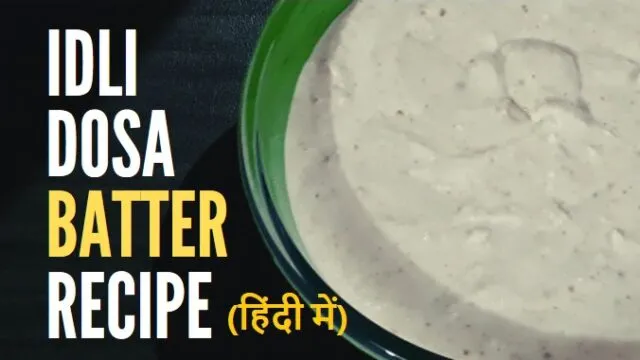
Our kala chana masala and chaat recipes illustrate the two directions, and idli dosa batter with tips covers the single most useful component for breakfasts.
How long does each component keep?
This is where most meal-prep plans go wrong, because people apply one timeframe to everything. Different components have genuinely different lives, and the ones that go off soonest are usually the ones people prep most of.
Freezing chutney in ice cube trays is the trick worth adopting immediately. Fresh coriander chutney lasts two or three days refrigerated and loses its colour quickly, but frozen in cubes it keeps for weeks and you defrost exactly one portion. The same works for ginger-garlic paste and for the masala base.
Label everything with the date it was made, not a vague note. A box of boiled chana with no date becomes a box nobody is willing to use, and that is how prepped food gets thrown away at the end of the week.
What about food safety?
Prepping food in advance is safe when the cooling is done properly, and the cooling is the step people skip. Food left to cool slowly on the counter spends hours in the temperature range where bacteria multiply fastest, and refrigerating a large hot pot keeps its centre warm for a long time.
- Cool in shallow containers, not deep pots. Spreading food out cools it in minutes rather than hours.
- Get it into the fridge within an hour or so of cooking rather than leaving it out to cool completely.
- Divide into daily portions before refrigerating, so you reheat only what you will eat and never reheat the same food twice.
- Reheat until properly hot throughout, not just warm, and only once.
- Keep chopped raw vegetables dry and separate from cooked food, with a paper towel in the box to absorb moisture.
- Be stricter in summer. Indian room temperatures through much of the year are well inside the range where food spoils quickly, so timings that work elsewhere do not transfer.
Portioning before refrigerating is the habit that matters most, because it removes the temptation to reheat a whole container repeatedly. Each reheat cycle takes the food back through the warm range and compounds the risk, and it also degrades the food noticeably.
If something smells or looks doubtful, discard it. Food that has been through a questionable cooling or reheating cycle can look and smell completely normal, which is exactly why the process matters more than the inspection.
How do you keep it from becoming a chore?
Most meal prep routines fail in week three, when the novelty has gone and the Sunday session feels like an obligation. A few things make it survive.
- Start with two components, not nine. Masala base and boiled pulses alone cut weekday cooking substantially. Add more only once those are habitual.
- Keep the session to ninety minutes. A three-hour Sunday session does not get repeated. If it runs long, prep less.
- Prep on the day that actually suits you. Sunday is conventional and a weekday evening works just as well for many households.
- Plan one night off a week. A planned simple meal — khichdi, curd rice, upma — is better than an unplanned collapse into ordering food.
- Share it if you can. One person chopping while another handles the masala halves the time and the resentment.
- Do not aim for all three meals. Prepping for lunches and dinners while breakfast stays simple is a far more durable arrangement.
The two-component start is the advice to actually follow. Full systems look impressive and collapse; a batch of masala base and a batch of boiled chana in the fridge every week is unremarkable, takes forty minutes, and is still happening a year later. That is the version that changes how the week feels.
For things to cook with your prepped components, our dal and tadka guide and soft rotis cover the daily staples, cooking rice properly covers the other one, and homemade paneer is a weekend addition worth the twenty minutes. For quick assembly meals, see our five-minute veg sandwich, namkeen seviyan and sabudana khichdi. More in our recipes section.
Why does Western-style meal prep not work for Indian food?
Because Indian meals are assembled from components rather than plated as single dishes, and most of those components reheat badly after a couple of days. Preparing five identical boxed lunches produces food that is unappetising by midweek. Prepping components instead keeps the daily cooking short and the food tasting fresh.
What is the single most useful thing to prep?
A masala base of onions, tomatoes, ginger and garlic cooked down until the fat separates, then portioned and frozen. That slow cooking is where weekday time goes, so having it ready turns most sabzis and curries into a ten-minute job.
What should I cook fresh rather than prep?
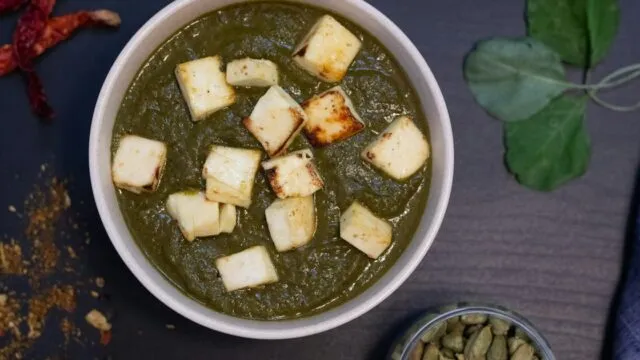
Rotis and parathas, rice, the final tadka, anything deep-fried, salads and raita, paneer dishes and leafy sabzis. They either lose texture when stored or are quick enough that prepping them saves nothing.
How long do prepped components keep?
Masala base and chopped hardy vegetables three to four days refrigerated; boiled pulses and fresh chutney two to three days; roti dough two days; cooked dal or sabzi about two days. The masala base, pulses and chutney all freeze well, chutney best in ice cube trays.
How do I store prepped food safely?
Cool in shallow containers rather than deep pots, refrigerate within about an hour, divide into daily portions before refrigerating so you never reheat the same food twice, and reheat until properly hot throughout. Be stricter in summer, since Indian room temperatures suit spoilage.
How long should a prep session take?
Around ninety minutes, most of it unattended if you start the pulses first and make the masala base while they cook. A three-hour session does not get repeated, so if yours runs long, prep fewer components rather than pushing through.
How do I stop meal prep becoming a chore?
Start with just two components, usually masala base and boiled pulses, and add more only once those are habitual. Keep the session short, plan one deliberately simple meal a week, share the work if you can, and do not try to prep breakfast as well.