Dal and Tadka: The Technique Behind Every Good Indian Dal

A good dal is three separate operations: cooking the lentils to the right texture, building a base, and finishing with a tadka of spices bloomed in hot fat. Most flat-tasting dal fails at the third step — either the tadka was made in fat that was not hot enough, or the spices were added in the wrong order and either burnt or never released their flavour at all.
Understanding tadka is what lets you cook dal without a recipe, because the technique is the same whichever lentil and whichever spices you use. The rest is adjusting cooking time to the lentil, and that follows a simple pattern too.
Ingredients
For a basic dal serving four, with a two-stage tadka:
- 1 cup toor dal, or masoor, or a mix of toor and moong
- 3 cups water for cooking, plus more to adjust
- 1/2 teaspoon turmeric
- Salt to taste
- 2 tablespoons ghee or oil for the tadka
- 1 teaspoon cumin seeds
- 1/2 teaspoon mustard seeds (optional, more common in western and southern dals)
- A pinch of asafoetida (hing)
- 2 dried red chillies, broken
- 1 medium onion, finely chopped (optional)
- 1 tablespoon ginger-garlic, finely chopped
- 1 large tomato, chopped
- 1/2 teaspoon red chilli powder
- 1/4 teaspoon garam masala
- Coriander leaves, and a squeeze of lemon, to finish
Method
- Rinse the dal in several changes of water until the water runs mostly clear. Soak for 20 to 30 minutes if you have time; it shortens cooking and gives a more even texture.
- Cook with turmeric and water, not salt. In a pressure cooker, 3 to 4 whistles for toor; on the stove, 25 to 40 minutes. The dal is done when the grains collapse under light pressure from a spoon.
- Whisk it. A few seconds of whisking or mashing gives the dal body and a creamy consistency without adding anything. This step is routinely skipped and makes a visible difference.
- Add salt now, after cooking, and adjust the consistency with hot water. Dal thickens as it sits, so leave it slightly thinner than you want to serve it.
- Heat the fat properly for the tadka. Ghee or oil in a small pan until it shimmers. Test with one cumin seed: it should sizzle and rise immediately. If it sinks and sits, the fat is too cool.
- Add the spices in order: whole seeds first, then hing, then dried chillies, then aromatics, then powders last. The order is the whole technique and the next section explains why.
- Add onion if using and cook until genuinely golden, not just translucent. Then ginger and garlic for a minute, then tomato until it softens and the fat separates at the edges.
- Add the powdered spices off the heat or on very low heat, stir for a few seconds, then pour the whole tadka into the dal. It should hiss.
- Simmer together for 5 minutes, so the flavours combine rather than sitting on top. Finish with coriander and lemon off the heat.
Step two has a reason worth knowing: salt added before cooking can slow the softening of lentils and pulses, which is most noticeable with harder ones like chana and rajma. For toor and masoor the effect is small, and the habit is worth keeping anyway because you can season accurately once you know the final volume.
EMI CalculatorHome, car or personal loan: see your monthly EMI and total interest in seconds.Calculate your EMI free →Why does spice order matter?
Because different spices need different amounts of heat and time, and the fat is hottest at the start. Whole seeds have tough outer layers and need that initial heat to release their oils. Ground spices have enormous surface area and burn within seconds at the same temperature — and burnt ground spice tastes acrid and cannot be rescued.
The hing step is the one most people get wrong in one direction or the other — either it goes in with the powders, where it does little, or it sits in hot fat for too long and turns the whole dish bitter. Two seconds between the seeds popping and the next ingredient is right.
And the “fat separates at the edges” cue in step six is the single most useful visual signal in Indian cooking. It tells you the water has cooked out of the tomato and onion and the masala is properly done. Adding dal before that point is why some dals taste raw and slightly sour.
Which dal should you use?
They are not interchangeable, and knowing how each behaves is what lets you cook from the pantry rather than the recipe. The main difference is how much they break down and how long they take.
A mix of toor and moong in roughly equal parts is the most forgiving everyday combination: the moong dissolves and gives creaminess while the toor holds enough body that the dal is not watery. If your dal is always either too thin or too pasty, try the mix before changing anything else.
Overnight soaking for whole pulses is not optional. Unsoaked rajma or chana can take hours and may remain stubbornly hard regardless, particularly if the pulses are old. If a pulse refuses to soften after long cooking, it is almost always age rather than technique — ours are covered in Punjabi rajma masala and kala chana masala.
Why does my dal taste flat?
Almost always one of five things, and they are worth checking in this order before concluding the recipe is wrong.
The acid point fixes more flat dal than any other single change. A squeeze of lemon at the end, off the heat, sharpens the whole dish and makes the spices read as distinct rather than muddy. Different regions use different acids — lemon in the north, tamarind in the south, amchur or kokum elsewhere — and all of them do the same job.
On stale spices: whole spices keep their aroma for a year or more, ground ones for a few months. Buying smaller packets more often, or grinding small quantities yourself, makes more difference to how food tastes than most technique changes. Open the jar and smell it; if there is no aroma, there will be no flavour.
What is a two-stage tadka?
The dhaba and restaurant trick: one tempering goes in during cooking and builds the base, and a second fresh one is poured over just before serving. The second tadka hits the dal hot and aromatic, so the smell reaches the table — which is a substantial part of why restaurant dal seems better than the same recipe at home.
For the final tadka keep it simple: ghee, cumin, a broken dried chilli and perhaps a little chilli powder for colour, poured over the dal in the serving bowl. It takes ninety seconds and is the highest-return addition to any dal you already make.
Ghee rather than oil for that final tempering, if you use it. The aroma of ghee with cumin is doing much of the work, and the small quantity involved is where it is most noticeable.
Pressure cooker or open pan?
Pressure cooker for speed and fuel, open pan for control. Neither is better; they suit different situations and the thing worth knowing is how to judge doneness in each.
- Whistle counts are approximate, not a measurement. They depend on the cooker, the flame, the quantity and the age of the dal. Treat three to four whistles for toor as a starting point and judge the dal itself.
- Do not force the pressure down to check early. Let it fall naturally; the dal continues cooking in that time and the texture is better for it.
- Fill no more than two-thirds, because dal foams. Overfilling blocks the vent, which is both messy and genuinely unsafe.
- In an open pan, skim the foam in the first few minutes and keep a lid partly on. Expect 25 to 40 minutes for toor, less for masoor.
- Top up with hot water, not cold. Cold water added to simmering dal firms the lentils and slows everything down.
One safety note worth stating plainly, because pressure cookers are so routine that people stop thinking about them: check the gasket and the safety valve periodically, keep the vent weight clean, and never try to open a cooker that still holds pressure. These are not fussy precautions.
Once you have the technique
The same three-step structure — cook the lentil, build the base, finish with tadka — produces most of the dal dishes in Indian home cooking. What changes is the lentil, the acid and which spices go into the tempering, and those are regional preferences rather than different techniques.
Which means that once this is in your hands you can cook dal from whatever is in the house, adjust it to what you have, and stop needing a recipe for it. That is a better outcome than learning twenty separate dal recipes, and it takes about three attempts.
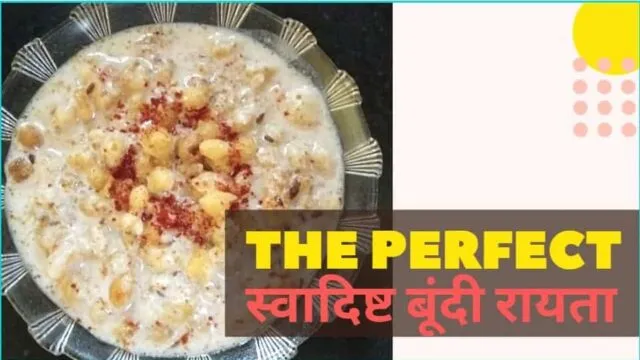
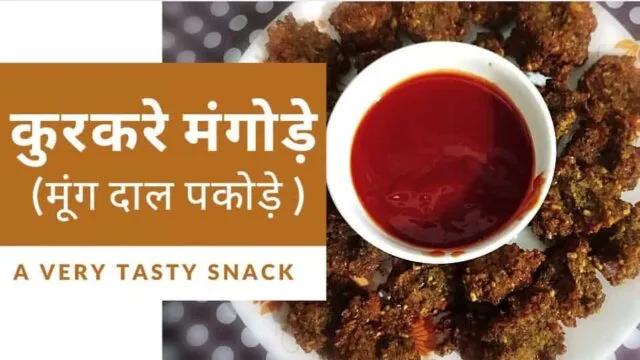
For specific dals worth cooking with this technique, see our khadi masoor dal, dhaba-style urad dal and kadhi pakora. Dal needs soft rotis or rice beside it, and a quick raita completes the meal. More in our recipes section.
Why does my dal taste flat?
Check five things in order: the fat was not hot enough so spices steeped rather than bloomed, there was no acid such as lemon or tamarind at the end, it is under-salted, the ground spices are stale, or the tadka was poured in and served without simmering together for five minutes.
What order do spices go into a tadka?
Whole seeds first in the hottest fat, then asafoetida for two seconds, then dried chillies and curry leaves, then onion cooked to genuine golden, then ginger and garlic for a minute, then tomato until the fat separates, and ground spices last on low heat for seconds only.
Should I add salt before or after cooking dal?
After. Salt can slow the softening of lentils and pulses, most noticeably with harder ones such as chana and rajma. Adding it afterwards also lets you season accurately once you know the final volume, since dal thickens as it sits.
Which dal is best for everyday cooking?
A mix of toor and moong in roughly equal parts is the most forgiving: the moong dissolves for creaminess while the toor keeps enough body that the dal is not watery. Masoor is the fastest if you are short of time, and chana or urad need soaking.
How many whistles does dal need in a pressure cooker?
Three to four for toor is a starting point, but whistle counts are approximate and depend on your cooker, the flame, the quantity and the age of the dal. Judge the dal itself, and let the pressure fall naturally rather than releasing it early.
What is a two-stage tadka?
One tempering added during cooking to build the base, and a second fresh one poured over just before serving. The second hits the dal hot and aromatic so the smell reaches the table, which is a large part of why restaurant dal seems better than the same recipe at home.
Why will my rajma or chana not soften?
Usually because it was not soaked overnight, or because the pulses are old. Age is the commonest cause of pulses that stay hard despite long cooking, and no technique reliably compensates. Soak whole pulses overnight and buy from somewhere with reasonable turnover.