Damp Walls and Monsoon Seepage: How to Find the Cause and Fix It
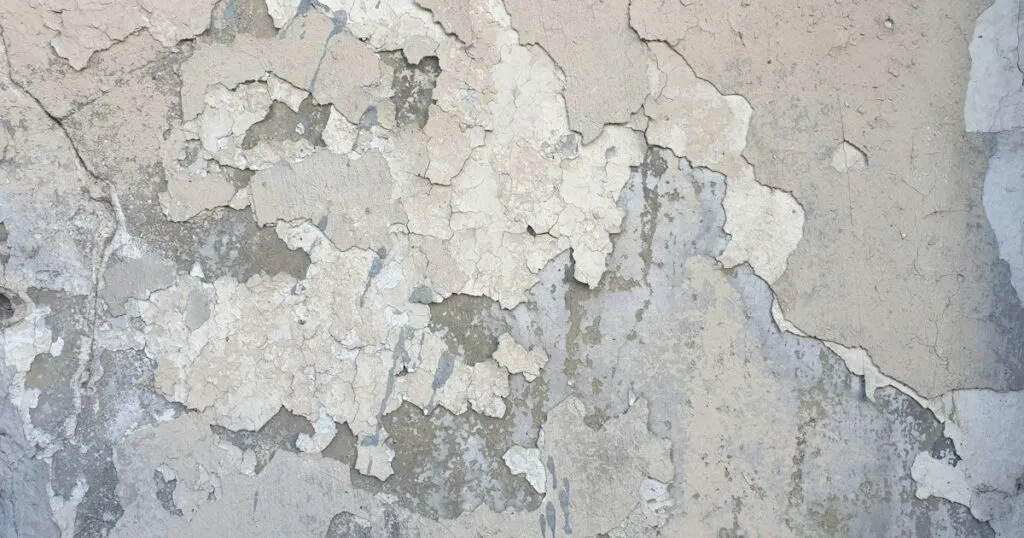
Repainting a damp wall is money thrown away, because paint is not a waterproofing material and the water will come back through it. Damp has three distinct causes, each with a completely different fix, and the single most useful thing you can do is work out which one you are dealing with before buying anything. A great deal of money is spent in Indian homes every year treating one kind of damp with the remedy for another.
The three are water coming in from outside, water rising up from the ground, and water condensing out of the air inside the house. Only the third can be solved without touching the building, and it is also the most commonly misdiagnosed — many households spend on waterproofing a wall whose problem is ventilation.
How do you tell the three apart?
The window test in the second-to-last row is the quickest diagnostic you have. If windows are wet on the inside in the morning, the air in the house is carrying more moisture than it can hold, and at least part of your problem is condensation rather than water entering the structure. That is a ventilation and moisture-production issue, and no amount of exterior waterproofing will change it.
The level tide line is the signature of rising damp: water drawn up through masonry from the ground stops at a fairly consistent height, roughly where evaporation balances the rise, and leaves salts behind as it dries. An irregular patch high on a wall, appearing within hours of rain, is water coming in from outside instead.
Where does water get in from outside?
Penetrating damp always has a physical route, and finding it is usually a matter of looking rather than testing. In Indian buildings the usual suspects are a short list, and in a flat several of them are outside your own property.
That box matters practically and financially. In an apartment, damp on a shared wall or a top-floor ceiling is frequently the society’s responsibility or a neighbour’s plumbing, and interior treatment applied while the source continues will fail within a season. A written complaint with photographs and dates both creates the record you may need later and often gets the source fixed, which is the only thing that actually works.
The air-conditioner drain is worth checking because it is so common and so easily fixed. A drain pipe discharging onto the external wall rather than clear of it soaks the same spot for hours every day through the summer, which produces a patch indoors that looks exactly like a structural problem.
How do you deal with condensation?
Condensation happens when humid air meets a cold surface. Indian homes generate a great deal of moisture indoors — cooking, bathing, drying clothes inside during the monsoon — and if that moisture cannot leave the house it condenses on the coolest surfaces, which are typically external-wall corners and the area behind a wardrobe.
The fix is reducing moisture production and increasing ventilation, and it costs almost nothing.
- Use the exhaust fan whenever you cook, and for ten minutes afterwards. Cooking is the largest single moisture source in most homes — and it is also the largest indoor air quality issue, so this one habit solves two problems.
- Do not dry clothes indoors with the windows shut. A load of washing releases litres of water into the air. If you must dry inside, open a window in that room.
- Keep bathroom doors closed and the fan running during and after a shower, so the moisture leaves rather than spreading through the flat.
- Leave a gap behind furniture on external walls. A wardrobe flat against a cool wall creates a pocket of still, cold air — which is exactly where black mould appears.
- Open windows for a short burst daily. Ten minutes of cross-ventilation removes more moisture than hours of a slightly open window.
The furniture gap explains a pattern people find mysterious: mould appearing only behind a cupboard or in one corner while the rest of the wall is fine. Nothing is wrong with that patch of wall; it is simply the coldest, least ventilated surface in the room.
Is the mould a health problem?
Persistent indoor damp and mould are associated with respiratory symptoms, and the effect is more pronounced for children, older adults and anyone with asthma or allergies. It is a reason to treat damp as a maintenance priority rather than a cosmetic annoyance, particularly if someone in the house has breathing difficulties.
For cleaning small areas of surface mould, wipe rather than brush dry, since brushing releases spores into the air. Ventilate the room while you work, wear a mask and gloves, and do not simply paint over it — mould will grow through ordinary paint. Larger affected areas, or mould that returns within weeks, means the underlying moisture source has not been addressed, which is the actual problem.
If someone in the household has ongoing respiratory symptoms that seem connected to the home, that is worth raising with a doctor rather than self-managing, and worth treating as further reason to fix the source properly.
What should you not do?
The timing point is the one that costs people a second repair. Waterproofing and plaster need a dry substrate to bond properly, so work carried out in heavy rain frequently fails. The right sequence is to find the source during the monsoon — when the evidence is visible — and carry out the repair once things have dried out afterwards.
Which gives a sensible annual rhythm: inspect and photograph during the rains, note where water appears and when, then schedule the repairs for the dry months. That also means you are hiring a contractor when they are less busy and more likely to do careful work.
A pre-monsoon checklist
- Clear every terrace and balcony drain, and check that water actually flows away rather than pooling.
- Look at the terrace surface for cracks and at the junction between the floor and the parapet, which is where failures usually start.
- Check sealant around every window and door frame and renew anything cracked or shrunken.
- Trace your air-conditioner drains and make sure they discharge clear of the wall.
- Check the water tank for overflow and for cracks, and that the overflow pipe leads somewhere sensible.
- Photograph any existing damp patch with the date, so you can tell next year whether it has grown.
- Move furniture a few centimetres off external walls and check behind it while you can still dry things out.
Item one does more good than all the rest together. A blocked drain turns a terrace into a shallow tank, and standing water will find any weakness in the waterproofing below it. Clearing drains is free, takes an afternoon, and prevents the most expensive category of damp there is.
Once the wall is genuinely dry and the source is fixed, the cosmetic repair is straightforward and worth doing properly. Our guide to choosing paint colours covers the finish, and home lighting is the other change that makes a repaired room feel new again. If damp has been affecting a balcony, balcony garden ideas for Indian homes covers drainage-friendly planting, and tips for building your dream home covers getting waterproofing right from the start. More in our home and lifestyle section.
Can I just repaint a damp wall?
No. Paint is not a waterproofing material, so water will come back through it and the new paint will bubble and peel, usually within a season. The source of the water has to be found and stopped first, and the wall has to dry out before any cosmetic repair.
How do I tell which kind of damp I have?
Penetrating damp shows as an irregular patch, often high, appearing during and after rain. Rising damp shows as a fairly level tide line up to about a metre with white salt deposits. Condensation shows as black spotting in corners and behind furniture, and wet windows in the morning are its giveaway.
What causes condensation damp in Indian homes?
Moisture generated indoors by cooking, bathing and drying clothes inside, with nowhere to escape, condensing on the coolest surfaces. That is why it appears in external-wall corners and behind wardrobes rather than evenly, and why ventilation fixes it while exterior waterproofing does not.
Why does mould appear only behind my cupboard?
Because a cupboard flat against an external wall creates a pocket of still, cold air, making that the coldest and least ventilated surface in the room. Nothing is wrong with that patch of wall specifically. Leaving a gap behind furniture on external walls usually resolves it.
Who is responsible for damp in a flat?
Often the society or a neighbour rather than you. Terrace waterproofing, common drains, shared water tanks and a neighbour’s bathroom plumbing are frequent sources, and treating your side of the wall will fail while the source continues. Report it in writing with photographs and dates.
Is damp and mould bad for health?
Persistent indoor damp and mould are associated with respiratory symptoms, more so for children, older adults and anyone with asthma or allergies. Clean small areas by wiping rather than brushing dry, which releases spores, and treat recurring mould as a sign the moisture source is unaddressed.
When should damp repairs be carried out?
In the dry months, not during the monsoon, because waterproofing and plaster need a dry surface to bond and repairs done in heavy rain frequently fail. Use the rains to find and photograph the source, then schedule the work once things have dried out.