Rental-Friendly Decor: How to Make a Rented Flat Feel Like Yours

The four things that change how a rented flat feels most — lighting, textiles, plants and what is on the floor — all come with you when you leave and none of them touches the walls. That is worth knowing because renters often conclude there is nothing to be done and live for years in a space that feels temporary, when the highest-impact changes were never the structural ones anyway.
The constraint is real: no drilling, no painting, nothing that cannot be undone, and ideally nothing so bulky that moving it becomes a reason not to move. Within that constraint there is considerably more scope than most people use.
What should you change first?
In order of how much difference each makes relative to cost and effort. If you only do the first two, the flat will already feel different.
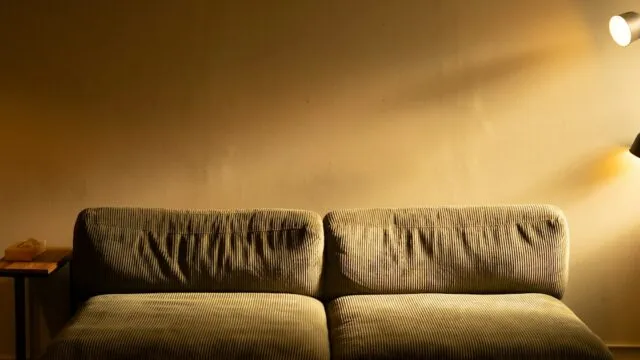
Lighting is first for the same reason it tops the list for owners: a rented flat almost always has one cool-white fitting in the middle of each ceiling, and that single feature does more to make a space feel institutional than any paint colour. Two lamps and warm bulbs cost very little and go in the car when you move. Our guide to home lighting layers and colour temperature covers how to choose them.
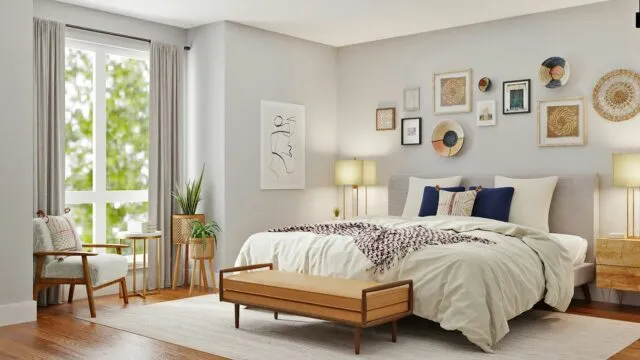
Textiles come second because they are the only practical way to introduce colour when the walls are fixed. A rug in particular does disproportionate work: it defines a sitting area, softens the acoustics of a tiled room, and hides flooring you did not choose.
How do you hang things without drilling?
Several options, each with a real limit. The usual mistake is trusting an adhesive solution beyond what it can hold, which produces exactly the wall damage you were trying to avoid.
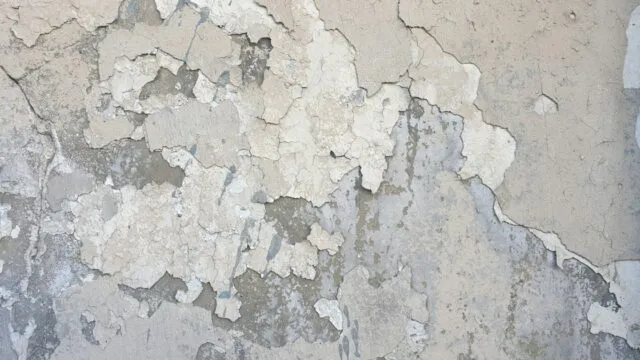
That last warning is worth heeding. Adhesive hooks and strips are designed for smooth painted plaster, and many Indian walls are textured, distempered or lime-washed, where the adhesive bonds to a surface layer that is weaker than the adhesive itself. The result on removal is a patch of missing paint — a bigger deposit problem than a small nail hole would have been. Test one strip somewhere hidden and leave it a week before trusting it with a frame.
The genuinely risk-free approach is to stop hanging things. Leaning a large framed picture against the wall on top of a console or a low shelf looks deliberate rather than makeshift, takes no fixings, and lets you rearrange on a whim.
Gold rate todayLive 24K and 22K gold and silver prices for India, city by city, with price charts.Check current gold rates →What is worth asking the landlord?
More than renters usually ask. Many landlords are agreeable to changes that improve the property, particularly if you are paying for them, and a short written exchange converts a risk into a permission.
- Painting. Often allowed if you agree to repaint in a neutral colour on leaving, or sometimes welcomed outright since the flat gets freshly painted at your cost.
- Replacing light fittings. Usually fine if you keep the original and refit it when you go. Store it in a labelled bag the day you take it down.
- Curtain rods and wall fixings. Ask about a small number of fixings rather than assuming none are permitted.
- Replacing taps or a shower head. Low-cost, improves daily life considerably, and the original can go back.
- Fitting a water purifier or a chimney. Negotiate whether it stays and whether the landlord shares the cost.
Get any agreement in writing, even informally over a message. The argument at the end of a tenancy is never about whether something looked good; it is about whether permission was given, and a message thread settles that in a sentence.
Also photograph the flat thoroughly on the day you move in, including every existing mark, stain and crack, with the date visible. That protects your deposit far more reliably than being careful does, and it takes twenty minutes.
How do you buy furniture you will move?
The thing renters get wrong is buying as though they will stay, and the thing they get wrong in the other direction is buying such flimsy things that nothing survives a move. The useful test is whether an item can go through a doorway and up a staircase without being dismantled by someone you have to pay.
Measure doorways, lift dimensions and the turn on your staircase before buying anything large, and keep that note on your phone. A sofa that fits the living room beautifully and does not fit through the door is a well-known and entirely avoidable expense, and the problem repeats at the next flat.
One more principle: buy fewer, better, neutral pieces and let the cheap, replaceable things carry the personality. Cushions, throws, lampshades and art can be swapped when you tire of them or when the next flat has a different feel; a brightly coloured sofa cannot.
What about the things you cannot change?
Every rented flat has two or three features you simply dislike and cannot replace. The approach that works is to stop fighting them and redirect attention instead.
- Flooring you did not choose. A large rug covers the majority of a small room’s floor. Covering most of it reads as a design choice; covering a small patch reads as hiding something.
- A wall colour you dislike. Large textile elements and leaning art reduce how much of it you see. Tall curtains hung wide cover more wall than you expect.
- Tired bathroom or kitchen tiles. Peel-off tile film works on smooth, dry, clean tiles and comes off cleanly; it does not work over grout gaps, textured tiles or damp surfaces.
- The landlord's furniture. Ask whether it can be removed and stored — often it can. If not, a slipcover and a throw change it completely.
- Bad window views or grilles. Sheer curtains diffuse the view while keeping the light, which is better than blocking the window.
The curtain point deserves expanding because it is the single most under-used trick available. Hanging curtains close to the ceiling and wider than the window makes the window look larger, the ceiling higher and the room better proportioned — and it covers a substantial area of wall you may not like. It is also entirely reversible, needing either a tension rod or a couple of fixings you can ask permission for.
A first-weekend plan
- Photograph everything, including existing damage, with dates.
- Change the bulbs in the rooms you use in the evening to a consistent warm white.
- Add one floor lamp and one table lamp to the main room.
- Hang curtains high and wide, using a tension rod or agreed fixings.
- Put down one large rug in the main room.
- Buy three plants suited to the light you actually have.
- Lean two pieces of art on a shelf or console rather than hanging anything.
- Write to the landlord about the two or three changes you would like permission for.
Those eight steps cost less than one piece of furniture and will change the flat more than repainting it would. They also all come with you, which means the money is not spent on improving someone else’s property — it is spent on things you will still own in the next place.
For the pieces of this worth going deeper on: home lighting is the highest-impact one, small living room ideas for Indian homes covers making a compact rented space feel larger, and a bedroom makeover on a budget is mostly rental-compatible. If you have a balcony, balcony garden ideas covers plants in containers that move with you, and damp and seepage is worth reading so you report a landlord’s problem early rather than being blamed for it. More in our home and lifestyle section.
What makes the biggest difference in a rented flat?
Lighting, then textiles. Rented flats almost always have a single cool-white ceiling fitting per room, which is what makes them feel institutional. Two lamps and warm bulbs cost very little, change the room immediately, and come with you when you move.
Are adhesive hooks safe on Indian walls?
Often not. They are designed for smooth painted plaster, while many Indian walls are textured, distempered or lime-washed, so the adhesive bonds to a weak surface layer and removes paint with it. Test one strip somewhere hidden for a week before trusting it with a frame.
How can I display art without hanging it?
Lean it. A large framed picture resting against the wall on a console, shelf or the floor looks deliberate rather than makeshift, needs no fixings at all, and lets you rearrange whenever you like. Freestanding shelf units also give you display space with no wall contact.
What should I ask my landlord permission for?
Painting, which many allow if you repaint neutral on leaving; swapping light fittings while keeping the original; a small number of wall fixings for curtain rods; replacing taps or a shower head; and fitting a purifier or chimney. Get any agreement in writing, even over a message.
How do I choose furniture I will have to move?
Prefer knock-down and modular units, lightweight freestanding shelving, nesting tables and anything on castors, in neutral upholstery. Avoid single-piece wardrobes, oversized sofas measured for this room, glass tops, and fitted units you paid for. Keep doorway and lift measurements on your phone.
What can I do about flooring or tiles I dislike?
Cover most of it rather than part of it. A large rug over the majority of a small room’s floor reads as a design choice. For bathroom or kitchen tiles, peel-off tile film works on smooth, dry, clean surfaces but not over grout gaps, textured tiles or damp.
What is the most under-used renting trick?
Hanging curtains close to the ceiling and wider than the window. It makes the window look larger, the ceiling higher and the room better proportioned, while covering a substantial area of wall colour you may not like, and it is entirely reversible.